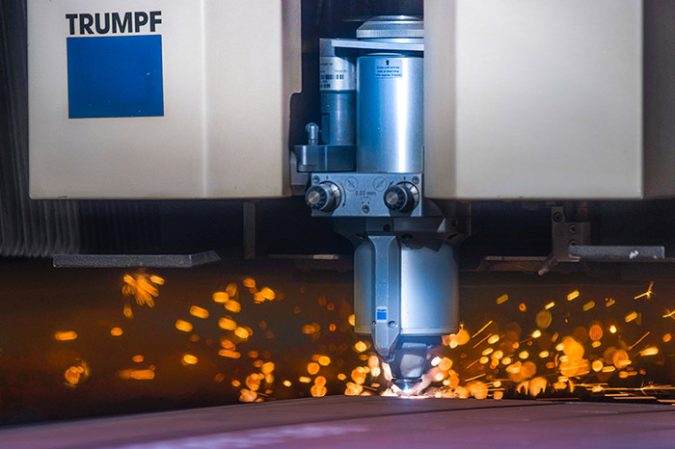
The blade spins at incredible velocity, meeting bright metal in a split-second clash. Heat builds instantly. Friction threatens to melt or warp the material. One wrong move and the piece becomes scrap. This delicate balance between speed and precision tests even skilled operators daily. The right aluminium cutting service often separates clean results from costly failures.
Material buildup on blades:
Soft alloys tend to melt onto cutting teeth at extreme velocities. This buildup dulls edges and forces machines to work harder. Keep blades cool using specific lubricants designed for non-ferrous metals. Frequent clearing of the blade area keeps chips from welding to the metal surface. Proper lubrication prevents friction and keeps the path clean for clean separation.
Managing extreme heat:
Excessive temperature creates gummy deposits and ruins surface finishes. Metals expand when heated, leading to dimensional errors in precise parts. High coolant flow rates wash away chips while keeping the workpiece stable. Chilled air jets also remove debris and maintain lower temperatures during heavy work periods. Controlling heat keeps parts accurate and prevents waste from distorted shapes.
Blade selection and geometry:
General-purpose tools fail when pushed for rapid metal tasks. Correct tooth pitch prevents clogging, allowing chips to exit the cutting zone quickly. Positive rake angles bite into soft metal without grabbing or tearing the surface. Using the right tool design reduces vibration and ensures a smooth finish. Proper tool selection stops chatter, which saves blades from premature wear and breakage.
Preventing vibration and chatter:
Rapid movement creates waves that ruin accuracy. Secure workpieces with strong clamps to remove any wiggle. Vibration kills tool life and creates jagged edges. Use dampeners or heavy supports to hold the metal firm. A stable piece allows the tool to work with consistency, leading to tighter tolerances and better outcomes across all projects.
Optimizing feed and speed:
Pushing too hard causes burrs, while going too slow creates heat. Find the perfect balance for every alloy grade. Start with recommended settings from tool manuals, then adjust based on visible chip quality. Smooth, consistent chips mean the settings align well with the metal properties.
Quality checks and maintenance:
Regular inspection of cut quality catches problems before parts pile up. Check edges for burrs or signs of heat stress. Swap out dull blades early instead of pushing them to failure. Clean machine tracks and sensors to keep everything synchronized. Diligent care keeps machinery in peak condition, allowing for consistent results day after day without unplanned downtime or errors in final products.