An outdoor space limited to one uniform look feels flat. Matching furniture sets often create a scene that lacks personality. True style emerges when different materials, shapes, and eras come together. This playful clash turns any open-air area into a captivating visual experience. Mixing various garden furniture Dubai styles offers a fresh approach to design that is both freeing and exciting.
Combine materials for texture:
Metal, wood, plastic, and stone offer different visual weights. A heavy timber table paired with lightweight aluminum chairs creates balance. This contrast stops spaces from appearing flat. Texture adds sensory interest that plain sets lack. Eye-catching layouts rely on mixing smooth surfaces with natural grains.
Blend eras for character:
New items look crisp, but aged pieces offer history. Pairing a modern chair with a vintage stool adds depth. Old items carry charm, while new ones provide comfort. This blend ensures the space avoids appearing like a catalog page. Unique combinations create interesting focal points that catch attention.
Play with different shapes:
Rigid lines dominate traditional arrangements. Soften edges by adding round bistro tables or curved benches. Round shapes encourage conversation and flow. Square items define clear zones for eating. Mixing these forms prevents harsh visuals and adds a welcoming touch. Geometry makes arrangements look intentional and curated.
Focus on color variety:
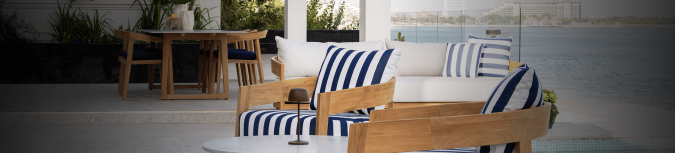
Monochromatic themes tire the eyes. Incorporate bold colors alongside neutral tones. A bright blue chair next to a beige sofa pops. Patterns on cushions also change how items look together. Color links distinct pieces, making them look like a planned group. Unified palettes tie diverse styles into one cohesive look.
Prioritize function first:
Style loses value if comfort disappears. Ensure each piece serves a clear purpose. Use lounge chairs for reading and tall tables for snacks. Practical needs dictate where items sit. Good design balances form with daily utility. Useful pieces remain essential, even when they look different from neighbors.
Create distinct zones:
Large areas need clear sections. Use a bistro setup for coffee and a lounge area for resting. Different furniture styles help define these borders. Small changes in height or style mark where one area ends and another starts. Separate zones allow activities to happen without crowding. Each corner gains a unique mood through clever item placement.